Harnessing Community as a Force Multiplier
Strategic Communications for School Sustainability
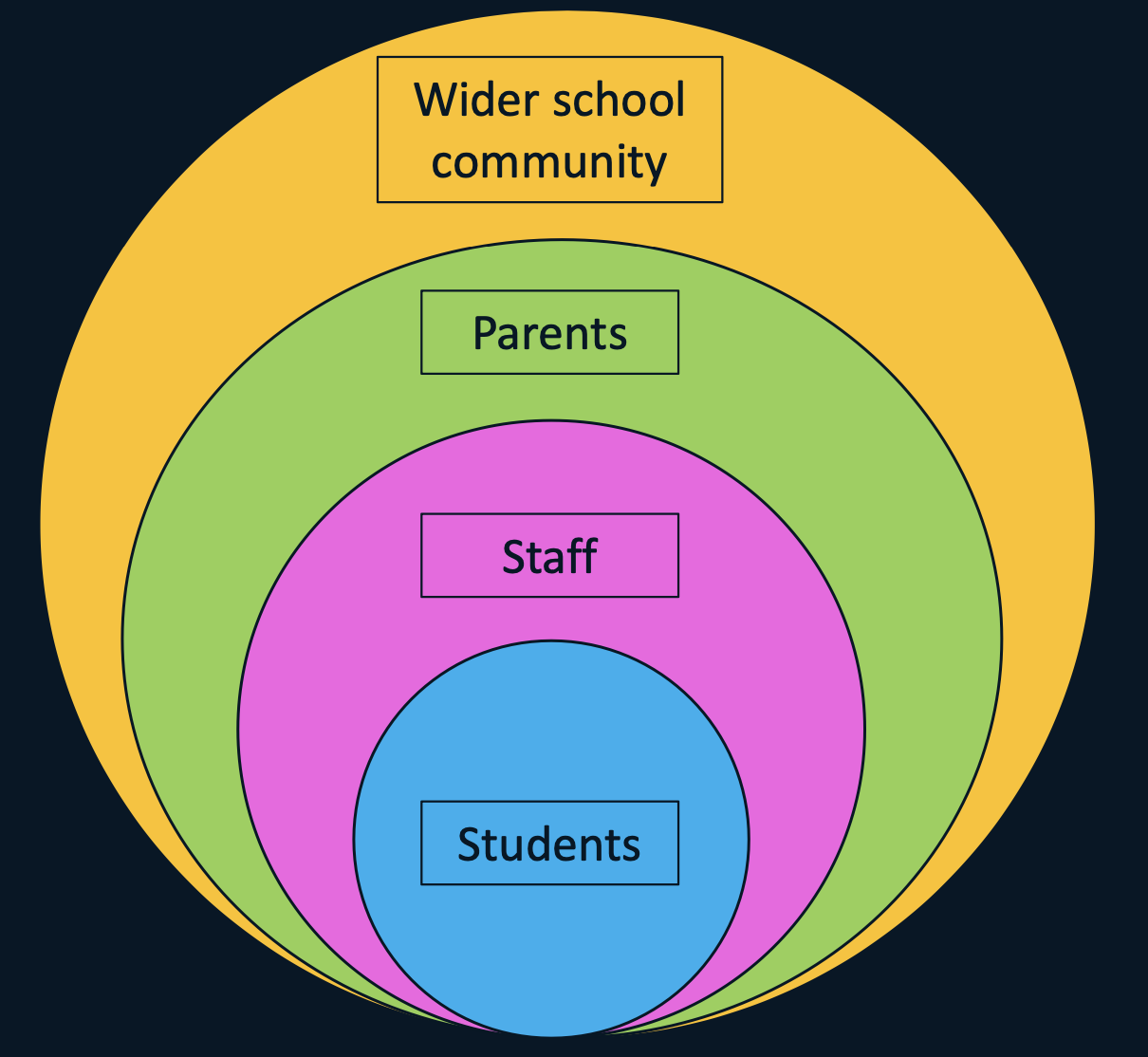
In 2026, Australian schools are at the forefront of climate action, with initiatives like Victoria's 100% renewable energy mandate for schools since 2025 turning campuses into living laboratories for sustainability. But true transformation goes beyond infrastructure—it requires engaging the entire community as a "force multiplier," as outlined in Sustain 2050's Climate Ready Assessment framework. By starting with a student-centric approach and radiating outward through staff, parents, and the local community, schools can amplify their impact. The key? Strategic communications that deliver consistent core messaging—such as "Together, Building a Sustainable Legacy"—while tailoring it to each audience's motivations and roles. This creates buy-in, fosters climate literacy, and drives brand uplift, ultimately linking sustainability to better educational outcomes.
Starting at the Core: A Student-Centric Approach
Begin with students, the heart of any school. Empower them as "student mavens" through project-based learning and sustainability working groups, as emphasised in our framework. Communications should inspire ownership: "Your ideas shape our greener tomorrow." Use assemblies, digital platforms like school apps, and hands-on events to build climate literacy. For instance, student-led campaigns in Victorian schools have slashed electricity use by 20% by monitoring energy systems in real-time. This not only educates but positions students as change agents, radiating enthusiasm outward.
Radiating to Staff: Building Internal Champions
Next, engage staff to embed sustainability into operations and curriculum. Tailor messaging to their professional growth: "Enhance your teaching impact while creating a resilient school." Offer workshops on integrating sustainability into lessons, aligned with frameworks like the NSW Quality Teaching model, which has boosted literacy and numeracy by 1.5 times the state average through environmental education. Consistent updates via staff newsletters and governance streams ensure alignment, turning educators into advocates who model behaviors for students and families.
Engaging Parents: From Supporters to Partners
Parents are crucial for home-school synergy. Adapt the core message to family values: "Join us in preparing your child for a sustainable world." Use targeted comms like parent webinars, newsletters, and events focused on practical benefits, such as cost savings from waste reduction. Draw from materiality assessments to address concerns like climate risks. Programs like Queensland's Premier's Coding Challenge, tying to UN Sustainable Development Goals, encourage family involvement in student projects. This builds trust and supports fundraising for green initiatives.
Extending to the Local Community: Amplifying Impact
Finally, reach the broader community for maximum leverage. Tailor outreach to civic pride: "Partner with us to create a thriving, eco-friendly neighborhood." Host events like clean-up days or collaborations with local organisations, as seen in the 2025 ResourceSmart Schools Awards' "Working Together" theme, where schools excelled through community partnerships. Use social media, local media, and forums to highlight brand uplift, such as indigenous knowledge sharing or government grant-funded projects. This not only enhances reputation but secures resources for ongoing transformation.